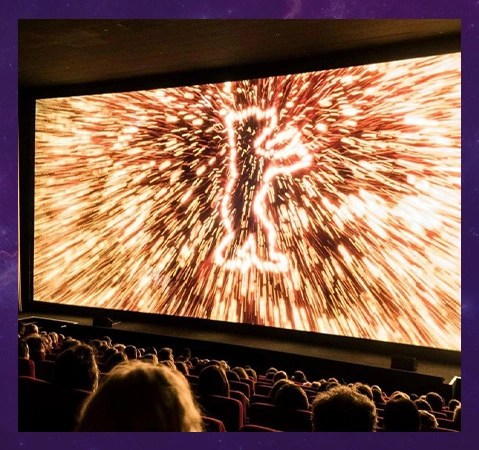
2-03-2026
Berlinale: How Cinema Is Expanding Beyond the Screen...


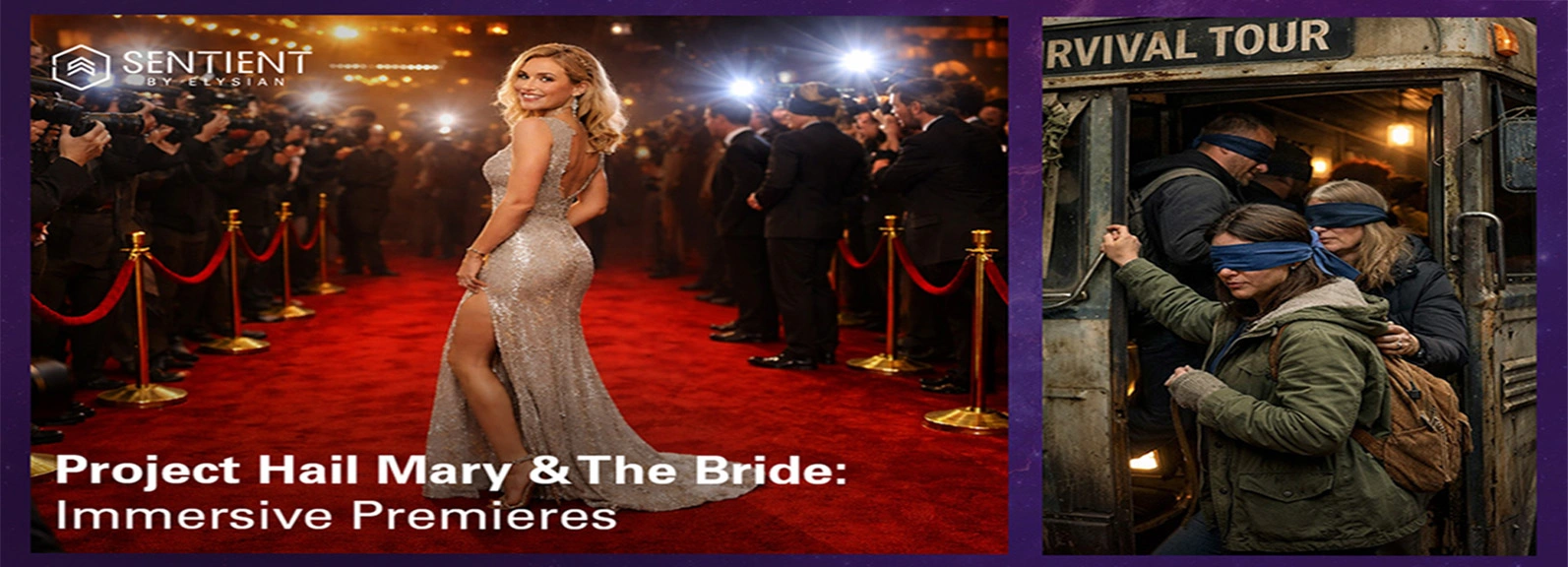
Cinema has been evolving since the advent of Smell-O-Vision campaigns, dating back to the 50s and 60s. From Odorama, where mooviegoers where given scratch-and-sniff strips to immersively enjoy the film, to multi-sensory cinematic experiences and screenings, the landscape of the entertainment industry is widening unprecedentedly. The launch of “Project Hail Mary” has become the hot topic ever since its stratospheric launch, creating history. This clearly shows how studios and tech partners now treat premieres as experiential events, blending storytelling with physical sensation. This shift marks a new era in marketing, turning all the more experiential, immersive, and multisensory.
Introduction: From Red Carpets to Immersive Cinema
Sensory Storytelling: Smell, Touch, and Memory
Holograms, Hyper-Screens & Interactive Premieres
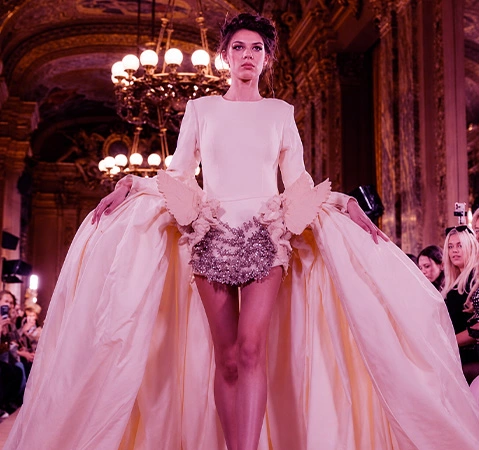
Red carpets, bedazzling outfits, and the glitter and glam of show business have always drawn fleeting attention. Fans line up at the premises to catch a glimpse of their favorite stars, paparazzi ready with their cameras flashing to capture every single moment, and stars dressed up, inspired by their film premieres; all add up to a resplendent affair.
But in an era defined by sensory saturation, cinema is no longer confined to the screen, red carpets, or traditional screenings. It has transcended to immersive encounters that echo long before the films hit theaters. How can we not talk of the “Bird Box” campaign? Fans got thrilled with intriguingly orchestrated blindfolded journeys and “see no evil” installations. Entering a double-decker bus, blindfolded and emulating the film’s protagonist, audiences viscerally experienced the film’s theme up close, drawing a thin line between reality and the intuitive quest. Some even took the infamous “Bird Box Challenge,” posting videos online — many of which sparked controversy as participants pushed the concept to dangerous extremes. So much so that Netflix had to warn fans against the maddening frenzy, “ Do not end up in the hospital. ”
That’s how cinematic experiences are evolving in the physical world. Dive deeper and explore how, in just the beginning of 2026, some of the most striking experiential cinema premieres have left an indelible imprint.
Some smells and tastes do bring back memories, right? The musky scent of the sea can remind one of their lake house from years ago; apple pies are reminiscent of grandmothers; the smell of oranges can take one back to Valencia, or simply a perfume can make one think of their loved ones. It evokes a kind of nostalgic imagery that makes one sentimental. When an emotion is attached to a particular object or thing, it turns into a cherished memory that one simply can’t forget.
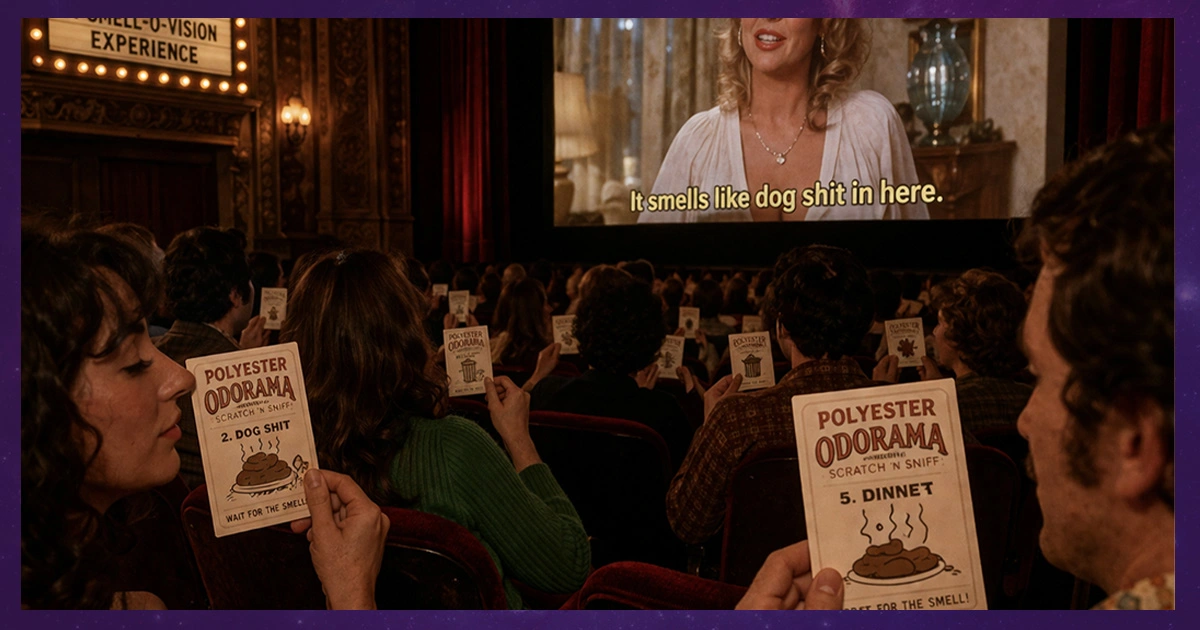
One of the earliest examples still talked about today is of Director John Waters’ odorama gimmick he used to promote his comedy film “Polyester (1981).” Each ticket came with a scratch-and-sniff card featuring ten numbered patches. At specific instances during the film, a number would appear on the screen, indicating which patch the audience should scratch and take a whiff of. It was as if one was transported into the very same atmosphere depicted in the film, evoking emotions and thoughts that made you feel the scenes rather than just watch them.
This clearly shows that experiential marketing—though the term has gained popularity only recently—was happening long before it officially came to be known. The Odorama process was rather a low-technology process inspired by much older General Electric’s "Smell-O-Rama" in 1953 and the rival Walter Reade Jr.’s "AromaRama" system in 1959. Inspired by the two, “Smell-O-Vision” was also born, a much more complex system created by Hans Laube for the 1960 film ” Scent of Mystery .” Around 30 odors were released from the pipes placed under seats, triggered by the film's soundtrack at precise moments. Since then, many screenings have incorporated scents—such as the woodsy and minty smells in the Japanese film New World (2006) and chocolate during Willy Wonka & the Chocolate Factory “live-to-film” events , among others.
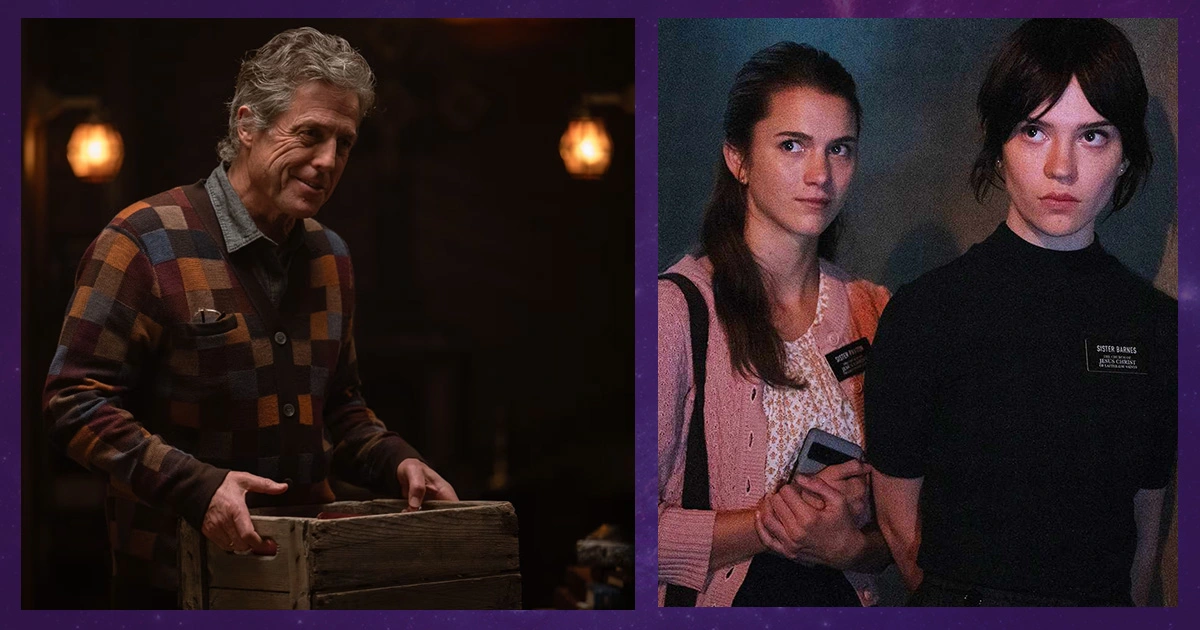
Just when we thought Smell-O-Vision was dimming down and taking a back seat, Heretic (2024) breathed life back into it, but with a twist.
Joya Studio very cleverly worked on perfecting the pie smell reminiscent of the notorious scene in the film, using Smell-O-Vision technology. The mouth-watering aroma of the blueberry pie filled the air in theaters the very moment Hugh Grant’s character brought it to the two young missionaries, making the audience feel as if they were in the film.
While the technology made it all great by evoking the senses, the promotion escalated a step further with actual pies and scented candles served to guests as part of the gig. It was nothing short of a lethal combination that tingled olfactory receptors and titillated taste buds.
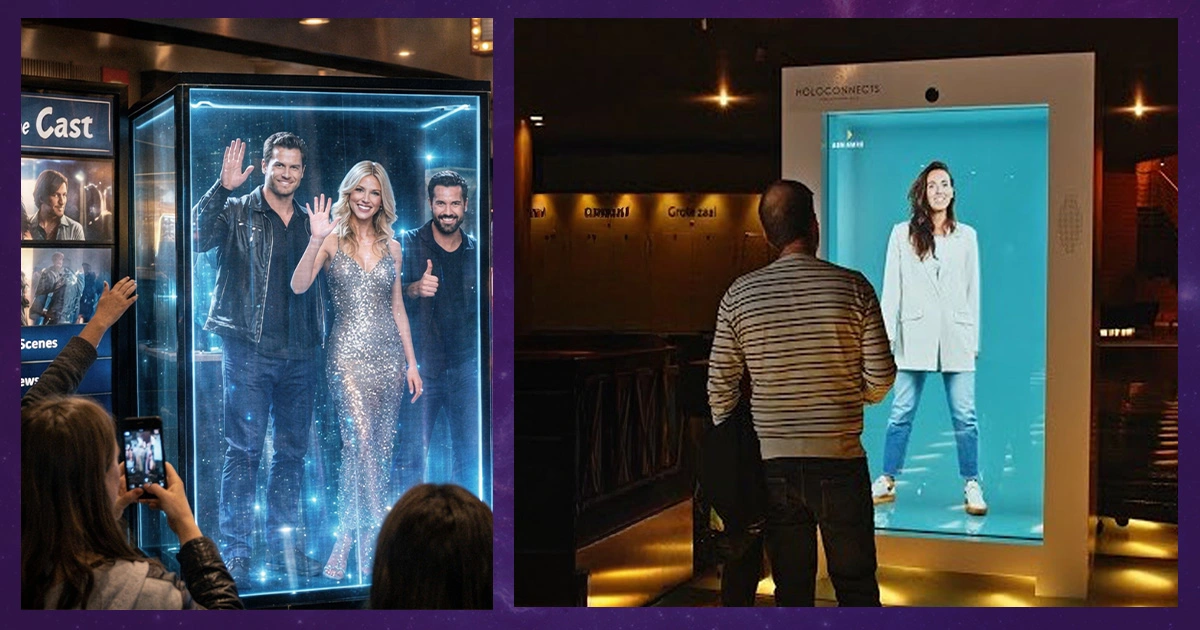
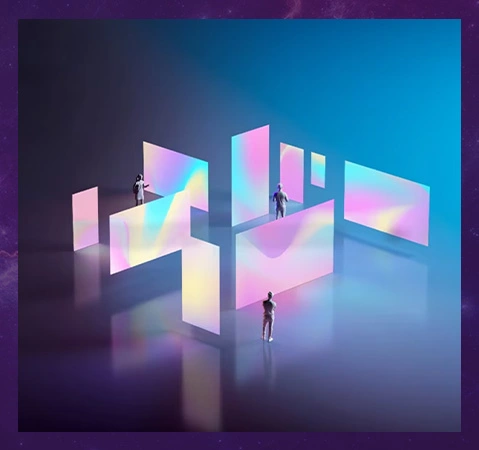
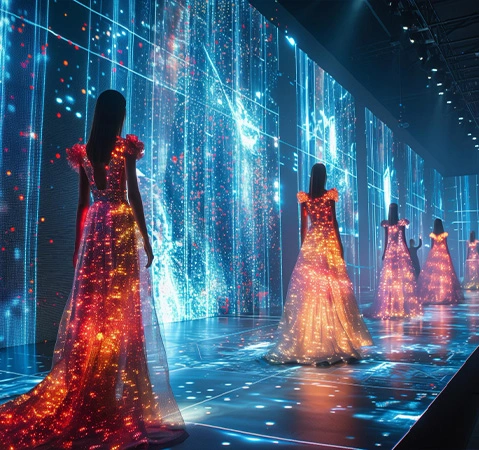
When one thinks of red carpet events, the first thought that comes to mind is “glamor.” Isn’t it? But this trend of “glamor” is beating much like a convoluted plot, but in a good way! Holograms and hyper-screens have become a new jibe at screening, where technology is no longer just a backdrop but taking center stage in 2026. What used to be a simple film launch event has now become a full-blown immersive affair, as producers compete to make premieres unforgettable.
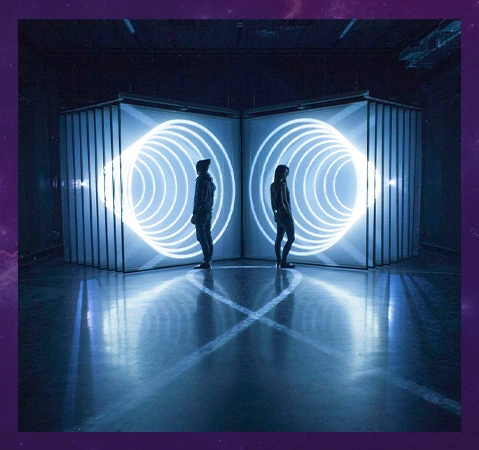
It was Canadian-American company Lionsgate that first introduced Hologram activations to 15 theaters in the United States for the film “Now You See Me: Now You Don’t.” Another clever attempt to fetch audience attention and draw them to the film, these holograms became a super-duper hit and a fan favorite. The cast of the film magically appeared—if you can call it that—to greet their fans at the theaters. These life-size Proto Hologram boxes created the illusion of the actor being very much present, interacting, and inviting their fans for a selfie. To make the moment even more memorable, the selfies taken can be downloaded to the person’s phone via a QR code. Now that’s some over-the-board immersive experience turned into a marketing stunt.
Inspired by such amazing technologies and ideas, Sentient By Elysian , an events agency in UAE, has been steadily carving a niche for itself in the world of immersive event experiences. Known for blending advanced tech with storytelling, this creative intelligence partner specializes in creating interactive installations that go beyond passive viewing. Their interactive “Venom” inspired Hologram , which literally answered you back, has been a crowd favorite.
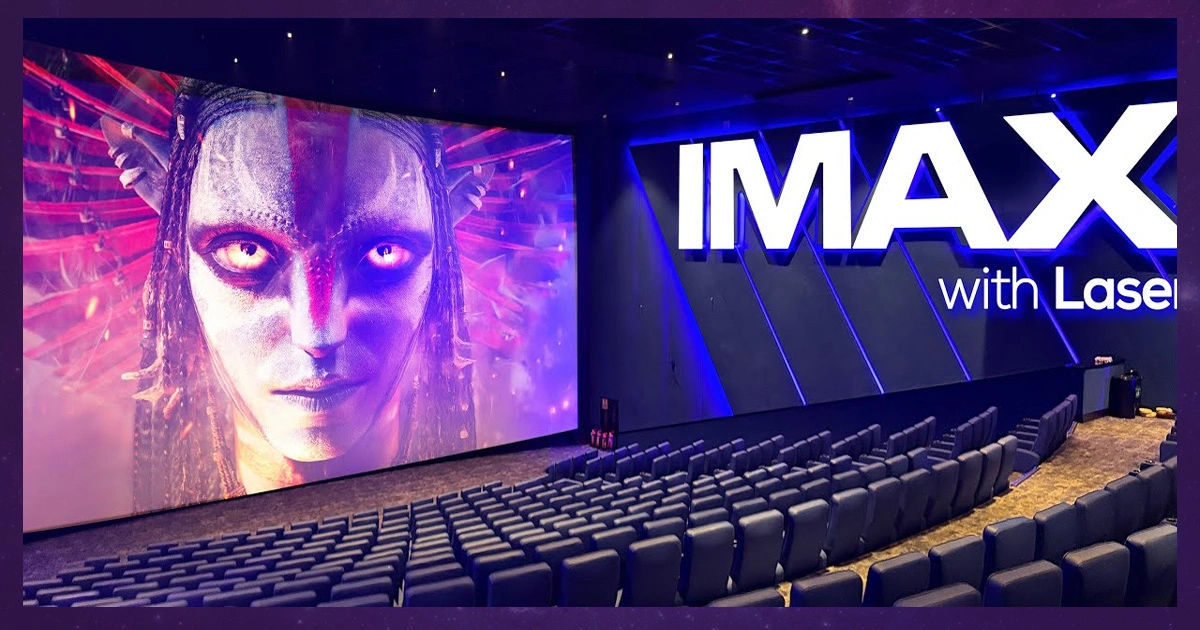
This sci-fi film adaptation of Andy Weir’s novel has left no tables unturned. Even before the film was released in theaters, its launch event sent audiences into a frenzy.
A product of IMAX’s ambitious pursuit to highlight its capabilities. “Project Hail Mary ” was filmed by Directors Phil Lord and Christopher Miller to fully utilise all that IMAX has to offer. The plot shows Ryan Gosling’s character as a science teacher who finds himself on board a spaceship, completely blank on how he got there. One by one, his memories start to return, only to realise that he’s the last hope for humanity. This survival story gets even more intriguing when he is tasked to unravel a mysterious substance that can extinguish the Sun. He must find a way to prevent this from happening. And as he set foot on this daring venture, little did he know that an unexpected alliance awaited him.
The premier exactly captured the essence of this adventure in real time. To make audiences go crazy, the promotional team came up with their most ambitious agenda ever in the world of entertainment. Just like the interstellar backdrops seen in the film, their screening launched an activation that nobody was prepared for. Their activation saw a custom-made IMAX display unit launched more than 110,000 feet above Earth!
Sony Pictures Releasing UK partnered with IMAX and with stratospheric launch specialists Sent Into Space Ltd. to breathe life into this imagination, sending IMAX’s exclusive 1.43:1 Expanded Aspect Ratio (EAR) screen into the stratosphere . An hour-long ascent took the massive display exactly 110,000 feet above Earth, where the first look of the film was revealed. This has gone down in history!
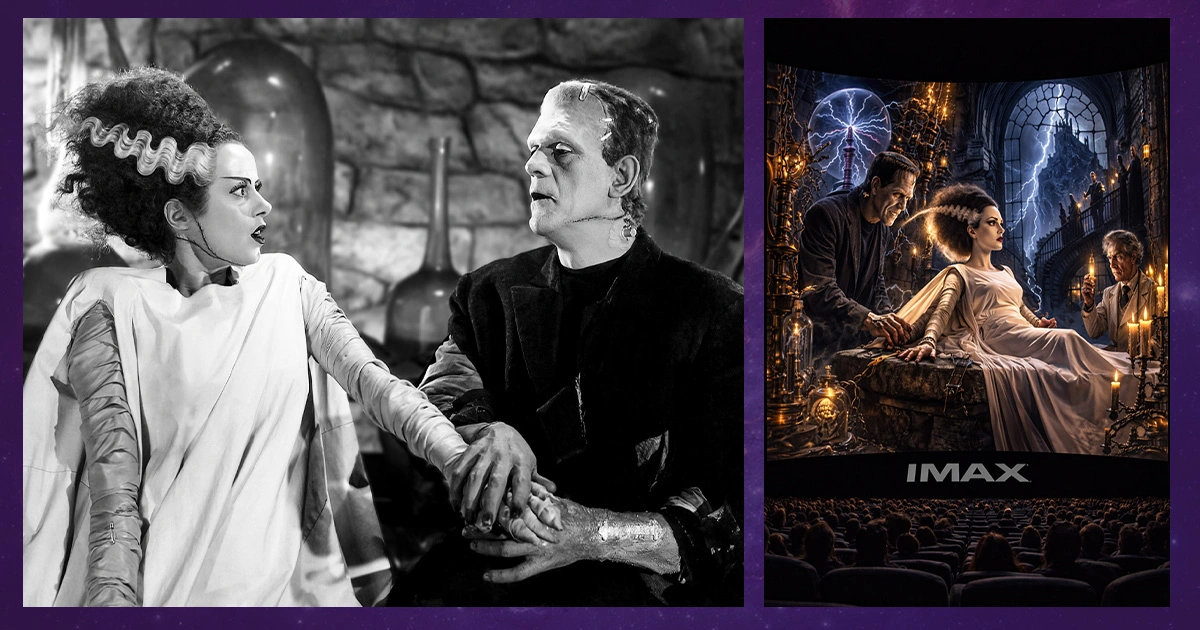
Another such example of how technology is being woven into great cinematic experiences is “The Bride." Though the film had a low-key premiere compared to all that immersive zing in 2026, its choreography utilising IMAX technology made “The Bride” exemplary. Using IMAX-certified cameras, such as Sony Venice 2 and FX3—known for clarity, expansive horizon feature, and unmatched low-light capabilities with high-fidelity images—the film offers viewers an experience they can take home. Digital Media Remastering (DMR) technology and anamorphic lenses helped create a more realistic feel to the overall film, adding to the gory ambience The Bride wanted to project. It evokes the sensory experience to the core; rather, a neurosensory-driven ecstasy that becomes unforgettable. A cherry on top of the cake, the film is also available in 4DX, making cinema-goers to groove with the film while seated comfortably in the theatres.
While the critics and their reviews are torn on what to make of it, whether it delivered the pizazz as intended, Maggie Gyllenhaal's gothic Frankenstein story did provide a great cinematic experience that a moviegoer can expect.
There is certainly a marked difference in the way the cinema was experienced before and now. Films with genres that carry deep emotional gravitas—encouraging viewers to imagine, feel, and experience what’s shown using a combination of technologies—is only the beginning to what lies ahead as things evolve. “Project Hail Mary” has set the bar unprecendentedly high for cinematic immersion with its out-of-this-world premiere. It seems to be the beginning of the unimaginable as futuristic, cutting-edge technologies evolve over time. But one way or the other, movie-goers are going to be in for a treat, a sensory treat that will make the theater experience worthwhile.
This pushes the marketing and film promotion sphere by many notches as millions of dollars are being poured into experiential screenings, something that was unthinkable in the past. Odorama, 4DX, launching screens into the stratosphere, Holograms, over-the-top activations, and gamified experiences are now as integral as the film production itself. IMAX, Sony Pictures, and the like are elevating the entertainment industry like never before.
Website | LinkedIn | Instagram | YouTube | Facebook