16-02-2026
How the Olympics Turned Opening Ceremonies into Immersive Global Shows ...


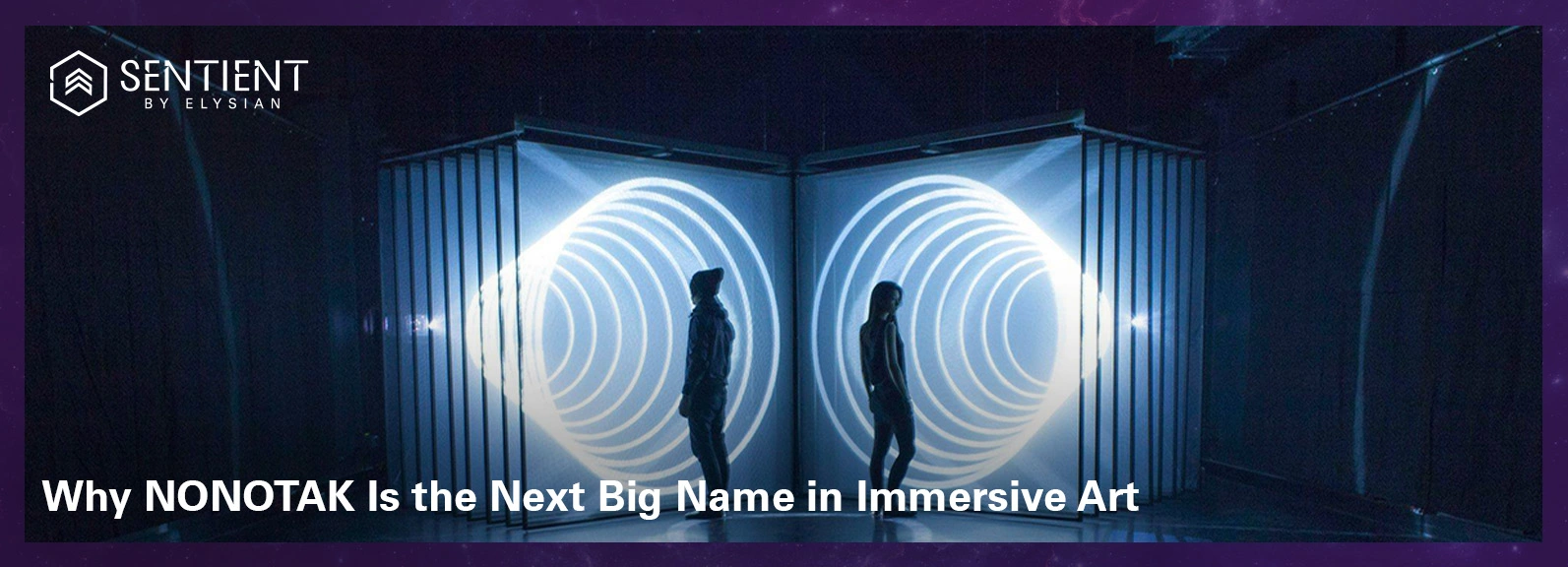
NONOTAK is redefining immersive art through precisely engineered environments where light, sound, and architecture merge into a single sensory language. Founded in Paris by Noemi Schipfer and Takami Nakamoto, the studio creates installations that are not observed from a distance but experienced from within. From hypnotic geometric light structures to soundscapes that shape perception and movement, NONOTAK’s work reflects a broader cultural shift toward sensory-driven engagement. As their installations continue to appear across global museums and festivals, NONOTAK is emerging not just as a leading studio, but as a reference point for the future of experiential art.
What Is NONOTAK? A Studio at the Intersection of Light, Sound, and Space
Turning Light into Spatial Experience
Sound as the Invisible Architect
Built for Spaces, Not Just Screens
Light has a way of changing how we feel. A slow pulse can calm the mind, a sudden shift can spark excitement, and when paired with sound, it can turn a room into an experience. NONOTAK’s installations tap into this emotional language, using light and audio to shape atmosphere rather than simply display visuals. Their immersive works invite audiences to pause, feel, and move through carefully constructed environments where technology fades into sensation. It’s art that doesn’t demand interpretation—only presence.
This article explores what NONOTAK is, what defines its immersive approach, and why the studio is emerging as a defining force in contemporary experiential art.
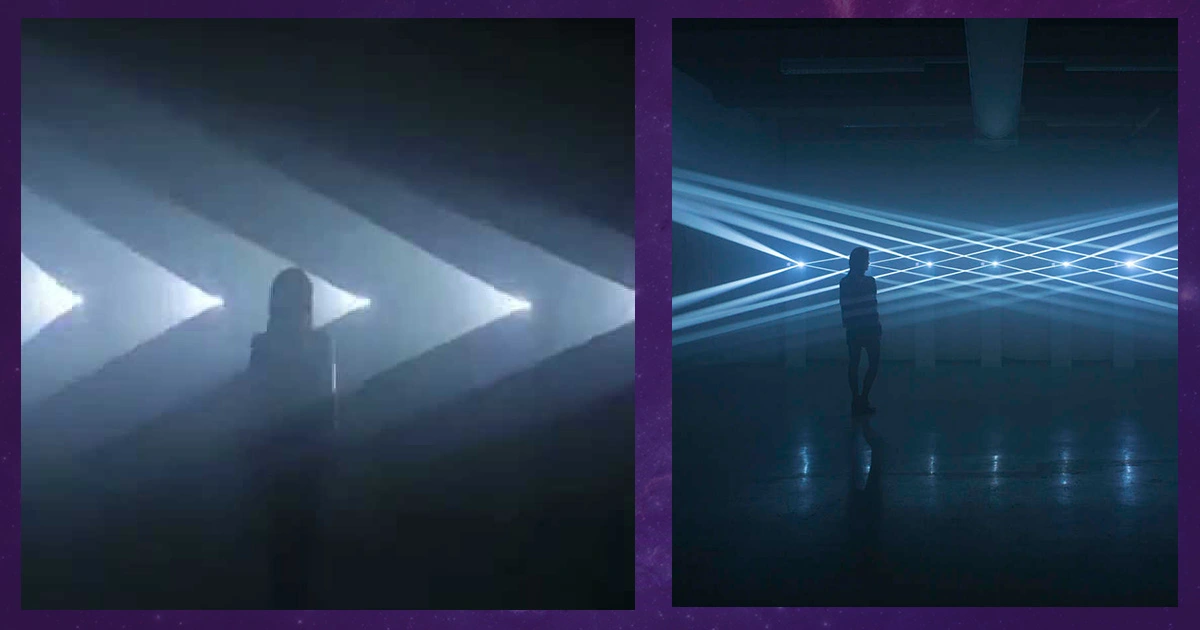
At its core, NONOTAK is the collaborative art studio of visual artist Noemi Schipfer and light-and-sound creator Takami Nakamoto, founded in 2011 in Paris. Their practice centers on audiovisual installations and performances that fuse meticulously choreographed light with immersive soundscapes, producing environments that don’t just present art — they envelop viewers in it.
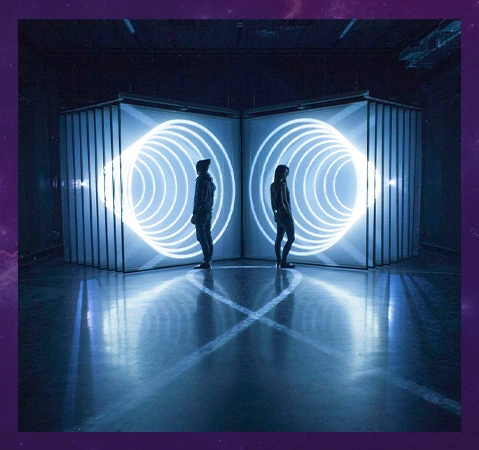
Unlike conventional exhibitions framed on walls, NONOTAK’s work treats space itself as the medium, sculpting perception through light geometry, reflection, motion, and sound. These are experiences meant to be walked into , not merely looked at — sensory environments that blur the line between physical and digital, reality and illusion. One early example of this ethos is “ Parallels ”, a piece commissioned for the STRP Biennial that invited audiences to cross a room where beams of light and shifting visuals transformed the space itself, turning the viewer’s movement into part of the work’s evolving architecture.
Another milestone — the ongoing “DAYDREAM” series — exemplifies the duo’s signature blend of geometric light and ambient sound. In installations like DAYDREAM V.6 , floating projections on semi-transparent screens displace visual planes, making architecture feel less fixed and more fluid, with sound guiding the emotional rhythm of the space. Across their body of work, NONOTAK’s minimalist aesthetic is not an empty one. It draws from architecture’s spatial logic and visual art’s power to shape perception, using light and sound as material rather than ornament.
For NONOTAK, light is never decorative — it is structural. Their installations treat illumination as a building material, capable of shaping depth, defining boundaries, and altering how space is perceived and navigated. Rather than using projection to overlay imagery onto architecture, the studio uses light to reconstruct architecture itself, often making solid walls feel porous, infinite, or in motion.
A clear example of this approach is SHIRO , one of NONOTAK’s most widely exhibited works. Composed entirely of white light, fog, and sharp linear projections, SHIRO transforms the exhibition space into a seemingly endless geometric landscape. Without relying on color or figurative imagery, the installation demonstrates how minimal elements can produce maximum spatial impact. Visitors don’t simply observe the work — they move through it, disoriented and reoriented by shifting planes of light.
In works like HOSHI , NONOTAK pushes this spatial manipulation further by introducing rhythm and repetition. Pulsing lines and grids expand and collapse in sync with sound , creating the sensation that the room itself is breathing. The geometry feels precise, almost architectural, yet constantly unstable — a balance that keeps viewers alert and emotionally engaged.
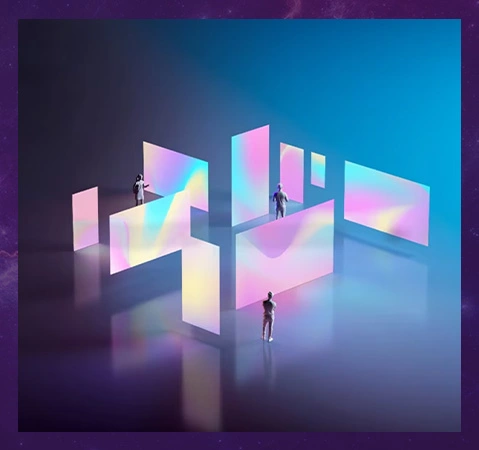
The DAYDREAM series offers another perspective on their spatial thinking. By layering projections onto translucent screens, NONOTAK fragments space into multiple visual planes. Viewers are never quite sure where one surface ends and another begins. Architecture becomes fluid, and depth becomes something felt rather than measured.
What makes NONOTAK’s spatial use of light so compelling is restraint. Their environments are often minimal, even austere, but never empty. Every beam, line, and reflection serves a purpose — guiding movement, shaping emotion, or reframing perception. In doing so, NONOTAK redefines what immersive space can be: not a spectacle to consume, but a structure to experience from the inside.
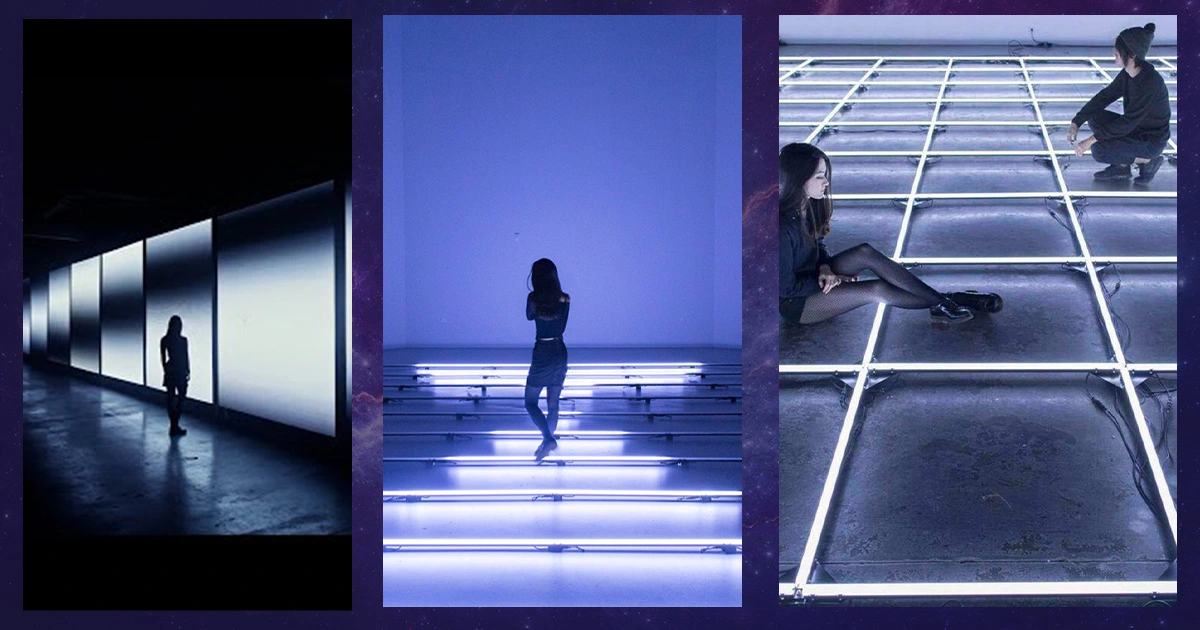
In NONOTAK’s practice, sound is not designed to be noticed first — it’s designed to be felt . It works beneath the surface, shaping how bodies move, how long people stay, and how space is emotionally interpreted. Rather than treating audio as atmosphere, the studio uses it as a spatial tool that subtly directs attention and perception.
This approach is particularly evident in ORION , where sound introduces a sense of scale and momentum long before the visuals fully unfold. Low frequencies stretch the perceived size of the room, while rhythmic pulses create anticipation, making light transitions feel monumental rather than mechanical. The result is an experience where sound quietly prepares the body for what the eye is about to encounter.
In NAKED EYE , NONOTAK strips back visual complexity and allows sound to lead the experience. Here, audio rhythms establish a psychological tempo that visuals respond to, not the other way around. The viewer’s sense of time becomes elastic — moments feel elongated or compressed depending on sonic intensity. The installation demonstrates how sound can function as an emotional anchor, stabilizing immersion even when visual cues are minimal.
Live audiovisual performances such as NOCTURNE further highlight this philosophy. Performed in darkened spaces, these works rely on sound to guide focus, pulling audiences into moments of tension and release before light even appears. Silence becomes a compositional element, amplifying impact rather than reducing it.
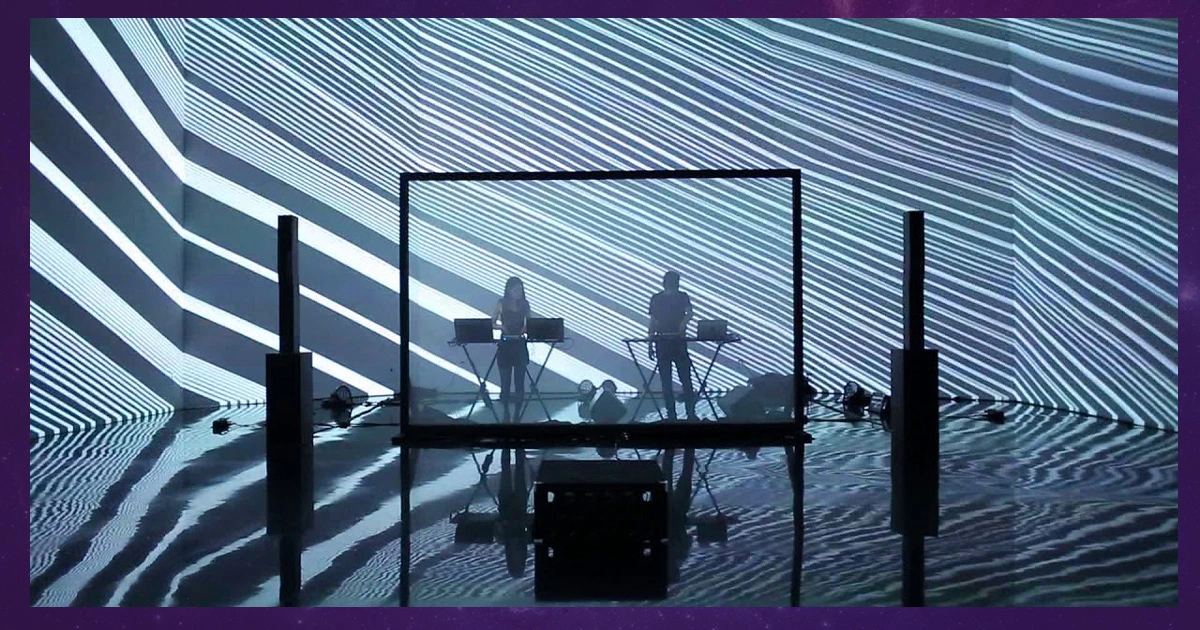
One of NONOTAK’s most distinctive strengths is their ability to design works that respond directly to the architecture that contains them. Rather than creating installations that are transported unchanged from venue to venue, the studio treats each space as a collaborator — a variable that actively shapes the final outcome.
This approach is evident in large-scale commissions such as DAYDREAM V.7 , presented within expansive institutional settings where ceiling height, wall distance, and circulation paths directly influenced the composition. The installation adapts its visual density and sonic pacing to the architecture, allowing visitors to experience different intensities depending on where they stand or move.
Similarly, in installations like HIDDEN SHADOWS , NONOTAK transforms architectural constraints into compositional assets. Created as part of the ECLIPSE exhibition in London, Hidden Shadows uses light and shadow in a highly graphic, defined way that interacts directly with the geometry of the venue itself. By choreographing beams of light against structural surfaces, the installation creates ever-shifting shadow plays that feel less like projections and more like architectural extensions of the space itself. What might otherwise feel like a temporary insertion instead appears embedded — as though the building is actively generating movement and form through light and dark.
This sensitivity has made NONOTAK a natural fit for museums, festivals , and public institutions, where spatial complexity and audience flow are critical considerations. Their installations scale fluidly, working as effectively in intimate gallery settings as they do in monumental halls or outdoor environments.
One sign of NONOTAK’s broader influence is how experiential design studios today are adopting similar principles of space-responsive, sensory-driven environments for commercial and event platforms. One such example is of Sentient By Elysian , a UAE-based creative intelligence partner. Inspired by pioneers in audiovisual installation, SBE aims to transform conventional brand showcases into experiences that feel engineered rather than displayed, creating meaningful moments at exhibitions, festivals, and global stages. To see this philosophy in action, check out SBE’s collaboration with Bitget at UNTOLD Festival 2025 — a project where immersive light and structure helped turn a festival presence into a memorable branded environment.
NONOTAK’s growing influence reflects a fundamental shift in how contemporary audiences experience art and space. In a world saturated with screens and constant stimulation, their installations offer something increasingly rare: environments that demand presence rather than distraction. By treating light and sound as architectural materials, NONOTAK creates experiences that are felt physically and emotionally, not simply observed.
What sets the studio apart is its balance of precision and restraint. Their work is technologically sophisticated, yet never overwhelmed by spectacle. Instead, it invites stillness, curiosity, and movement — allowing each viewer to form a personal relationship with the space. This approach has enabled NONOTAK to translate seamlessly across museums, festivals, and global platforms, while remaining true to its artistic language.
As immersive and experiential formats continue to redefine cultural engagement , NONOTAK stands as a clear reference point. Not just a rising name, but a studio shaping the vocabulary of immersive art itself — and signaling where the future of sensory-driven experiences is headed.
Website | LinkedIn | Instagram | YouTube | Facebook