27-01-2026
The TikTok Effect: How Trends Are Creating Their Own Mini-Festivals ...


ADIPEC 2025 in Abu Dhabi has transformed from a traditional oil and gas trade fair into a global platform for experiential storytelling. With over 205,000 attendees and 2,250 exhibitors, the event showcased cutting-edge event technology, from AI-powered simulations to immersive AR experiences. Interactive installations by companies like Siemens Energy, Baker Hughes, and Technip Energies allowed participants to engage with complex energy solutions firsthand. High-profile speakers highlighted sustainable energy innovations, collaborations, and commercial deals totaling $46 billion. ADIPEC now serves as a blueprint for event agencies, showing how narrative, technology, and participation can turn exhibitions into unforgettable experiences.
From Trade Fair to Storytelling Stage
Interactive Installations that Spark Dialogue
Collaboration, Commerce, and Consciousness
Why ADIPEC Sets the Benchmark for Event Agencies
Bright lights, big data — and a surprising amount of storytelling. ADIPEC 2025 landed in Abu Dhabi as more than an oil-and-pipes trade show; it arrived as a stage where CEOs, engineers, technologists, and creatives translate complex energy futures into crisp narratives. From AI demos and digital twins to immersive installations that make hydrogen and carbon capture feel tangible, the event showed how event technology and sharp design turn booths into mini-theatres. For event agencies, ADIPEC is now a masterclass: blend hard science with human stories, and you don’t just inform an audience — you leave them curious, convinced, and eager to share the tale.
And as we explore how this global gathering evolved into a storytelling platform, we’ll uncover the innovations, experiences, and collaborations that made ADIPEC 2025 the most talked-about energy show on the planet.
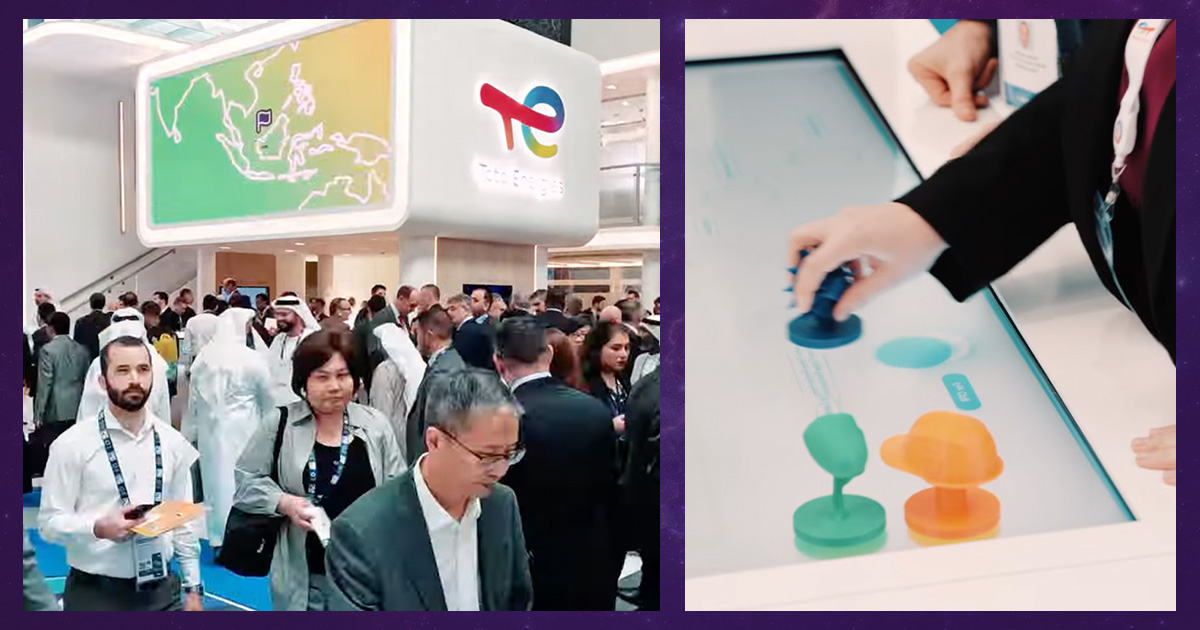
ADIPEC 2025 has come a long way from its early days as a no-frills trade fair dominated by oil rigs, drilling equipment, and technical charts. Today, it’s a global storytelling platform, where energy brands, innovators, and policy-makers converge to communicate complex ideas in immersive and relatable ways. The transformation is as much about narrative as it is about numbers: while the event attracted over 205,000 attendees and more than 2,250 exhibitors from 172 countries, the real change lies in how brands present themselves. No longer are visitors simply observing machinery; they are invited into curated experiences that make energy innovation accessible and engaging.
The theme for 2025, “Energy. Intelligence. Impact.”, signals this evolution. Leading voices such as Dr. Sultan Al Jaber, UAE’s Minister of Industry and Advanced Technology, Patrick Pouyanné, CEO of TotalEnergies, and Meg O’Neill of Woodside Energy, spoke on stages filled with interactive visuals and immersive presentations. Their discussions focused on sustainability, AI-driven solutions, and the delicate balance between legacy energy systems and low-carbon innovation, turning abstract industry concepts into tangible, compelling narratives for a global audience.
Brands across the spectrum embraced this new approach. TotalEnergies used multimedia installations to illustrate its roadmap toward net-zero emissions, allowing visitors to trace carbon reduction strategies across operations worldwide. Woodside Energy integrated AR and 3D visualizations, giving participants the chance to follow LNG molecules from extraction to delivery, bridging the gap between complex engineering and human understanding.
This shift highlights a broader trend: exhibitions are no longer about showcasing products; they are about telling stories that resonate. ADIPEC 2025 demonstrated that when technology, design, and narrative intersect, even the most technical and data-heavy industries can engage audiences in a way that is both memorable and meaningful. For event agencies, it’s a blueprint: combine strategy with creativity, and your audience becomes part of the story, not just a spectator.
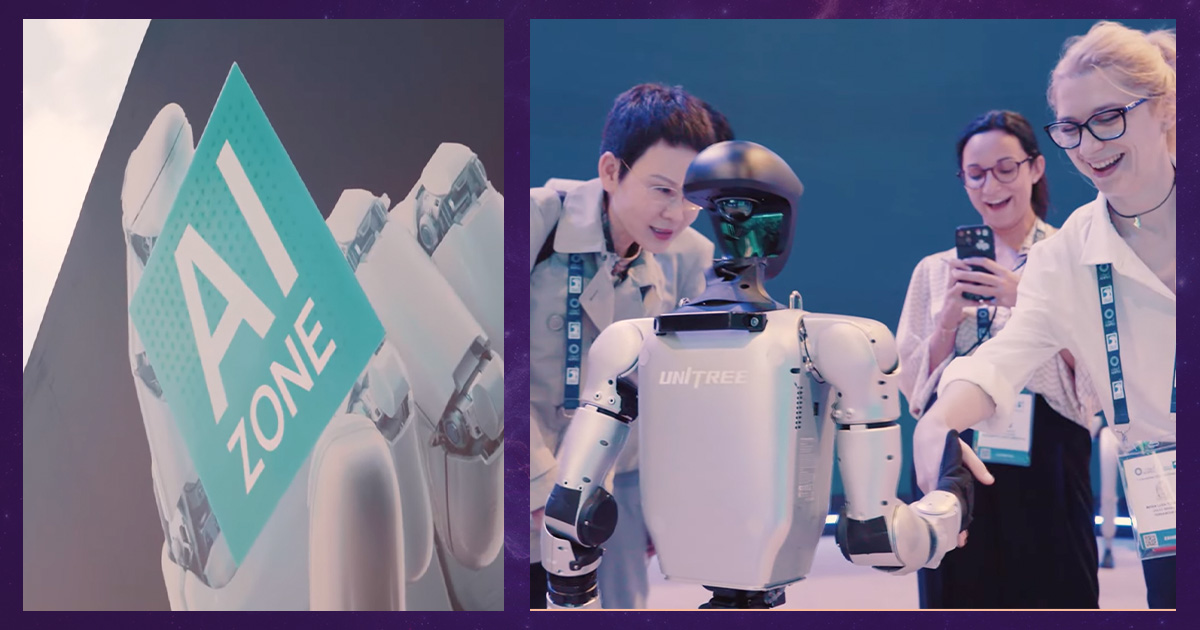
At ADIPEC 2025, event technology was more than a backdrop; it was the very language through which brands communicated innovation. The exhibition floor was transformed into a high-tech playground, where interactive displays, AI-powered simulations, and immersive digital experiences allowed visitors to engage with energy solutions in ways that were previously unimaginable. The newly expanded AI Zone was a standout feature, demonstrating how artificial intelligence is reshaping exploration, operations, and maintenance across the energy sector. Companies like Schneider Electric showcased their EcoStruxure digital twin platform, allowing attendees to see real-time optimization of energy systems, while Microsoft Energy, in collaboration with Honeywell, demonstrated predictive analytics tools that reduce operational downtime and improve efficiency.
But ADIPEC’s technological showcase went beyond screens and dashboards. SLB (Schlumberger) offered immersive simulation pods, letting visitors experience drilling operations with precision and safety enhancements powered by AI. Technip Energies presented motion-tracking control rooms where attendees could interact with decarbonization project timelines, understanding complex processes through direct engagement. These setups turned abstract data into tangible, digestible experiences — highlighting the power of event technology to translate technical concepts into compelling narratives.
Even renewable energy innovations received this treatment. Siemens Energy used interactive interfaces to illustrate grid management and hydrogen integration, while bp displayed AI-enabled predictive tools for energy transition modeling. Every installation was designed to invite curiosity, provide insight, and create dialogue, blurring the line between an exhibition and an educational experience.
For modern event agencies, ADIPEC 2025 serves as a masterclass in marrying technology with storytelling. The lesson is clear: successful events don’t just display innovations; they immerse attendees in them. By using event technology thoughtfully, brands can transform visitors into participants, data into stories, and complex energy solutions into memorable experiences that resonate long after the show ends.
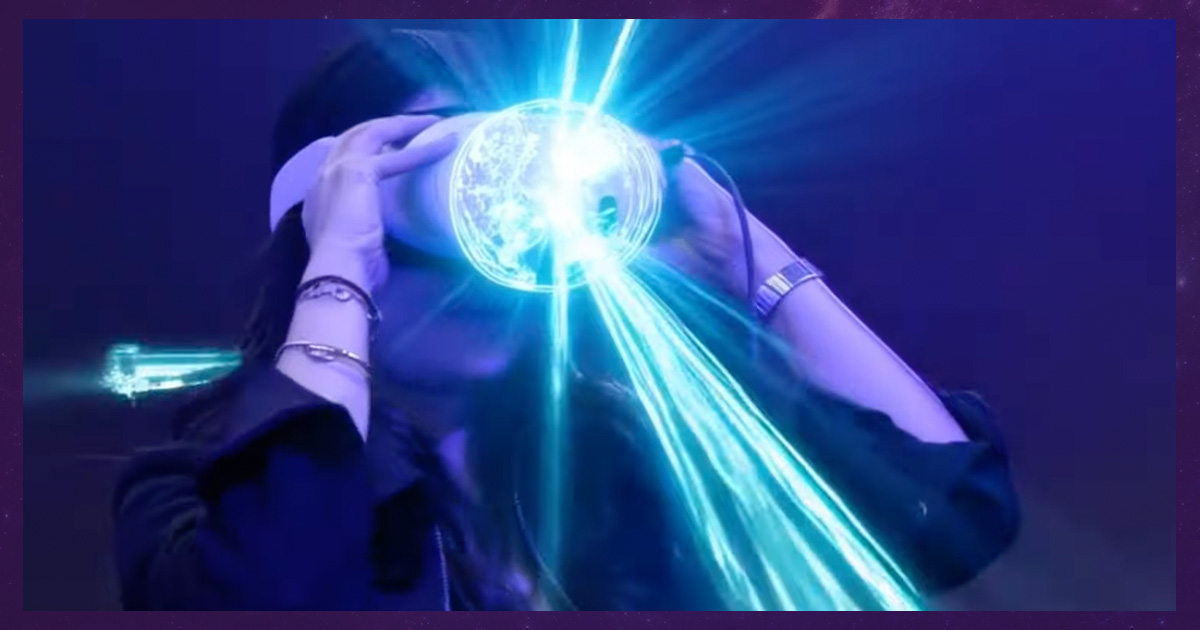
While event technology provided the framework, it was interactive installations that truly brought ADIPEC 2025 to life. The showfloor became a living classroom, where attendees didn’t just observe innovations — they experienced them firsthand. The Low Carbon & Chemicals Expo was a prime example, featuring hydrogen production modules and carbon capture models from companies like Siemens Energy and Technip Energies. Visitors could manipulate components, visualize processes in augmented reality, and see the environmental impact of different approaches, turning complex concepts into tangible, understandable experiences.
Energy giants also embraced interactivity to engage diverse audiences. Baker Hughes and Halliburton introduced simulation pods demonstrating cleaner extraction techniques, while Petronas and Equinor showcased circular energy models through motion-sensitive screens that responded to user input. In each case, the installations went beyond information delivery: they invited visitors to experiment, question, and learn, creating dialogue rather than a one-way presentation. This shift reflects a broader trend in exhibitions — engagement is no longer passive; it’s participatory.
Even for veteran attendees, these installations offered fresh perspectives. Interactive setups encouraged collaboration and curiosity, allowing participants to test hypothetical scenarios, optimize processes, and visualize future energy landscapes. Panels and demo stations were designed to spark discussions between engineers, policymakers, and sustainability experts, transforming the exhibition floor into a hub of collective problem-solving and innovation.

ADIPEC 2025 proved that the world’s largest energy gathering isn’t just about flashy displays or tech demos — it’s also a powerhouse for collaboration, commerce, and conscious innovation. Over the course of the four-day event, more than $46 billion in cross-sector agreements were announced, spanning AI integration, renewable energy projects, and decarbonization technologies. These deals demonstrated how the exhibition floor is not only a place for showcasing innovations but also a global marketplace where ideas turn into actionable partnerships.
Partnerships highlighted at the event reflected both strategic and sustainable priorities. For instance, bp and Microsoft showcased AI-enabled tools to optimize energy transition projects, while Shell and TotalEnergies explored hydrogen initiatives and renewable infrastructure collaborations. Even smaller innovators, like Equinor and Technip Energies, used the event to forge partnerships around circular energy models and low-carbon solutions. The diversity of collaborations emphasized that innovation thrives when multiple disciplines converge — from engineering and policy to data analytics and environmental science.
Beyond the major global players, ADIPEC 2025 also showcased innovative brand collaborations that pushed experiential design to new heights. Sentient By Elysian (SBE), a UAE-based intelligent creative agency specializing in experiential marketing, partnered with XRG to create an immersive stand. For ADNOC’s XRG, SBE provided anamorphic content that transformed flat surfaces into dynamic, perspective-driven visuals. The result was an engaging, multi-dimensional experience that drew visitors in and highlighted how technology, design, and creativity converge to turn exhibition spaces into interactive storytelling platforms.
Panels and keynote sessions further reinforced this dual focus on commerce and consciousness. Industry leaders, including Dr. Sultan Al Jaber and Meg O’Neill, discussed pragmatic approaches to sustainability, highlighting the need to balance economic growth with climate responsibility. Topics ranged from AI regulation to investments in hydrogen and carbon capture, illustrating that the energy sector’s evolution is as much about intelligent decision-making as technological advancement.
Apart from deals and discussions, ADIPEC 2025 fostered a sense of shared responsibility. Attendees engaged with simulations, interactive exhibits, and roundtable sessions that encouraged collaboration, debate, and collective problem-solving. The show demonstrated that the future of energy is interconnected: technological innovation, commercial success, and environmental consciousness are not separate tracks but intertwined paths.
ADIPEC 2025 isn’t just a showcase for the energy sector; it’s a masterclass in experiential design, providing valuable lessons for event agencies worldwide. The event demonstrated that modern exhibitions succeed not simply by displaying products or technologies, but by crafting stories that immerse, engage, and inspire audiences. Every booth, installation, and panel was carefully orchestrated to create a seamless flow of information, interaction, and inspiration — turning the exhibition floor into an ecosystem of curiosity and learning.
From immersive AR simulations to AI-driven digital twins, the show highlighted the importance of blending technology with narrative. Companies like Schneider Electric, SLB (Schlumberger), Siemens Energy, and Microsoft Energy didn’t just present their solutions — they invited attendees to interact with them, test scenarios, and visualize outcomes in real time. This approach transforms passive observation into active participation, creating experiences that resonate far beyond the event itself. It’s a reminder that even highly technical subjects, when presented thoughtfully, can become engaging and memorable for diverse audiences.
Another key takeaway for event agencies is the careful balance between scale and focus. With over 2,250 exhibitors and more than 205,000 attendees, ADIPEC maintained coherence by structuring experiences around themes like AI, low-carbon energy, and interactive learning zones. Visitors could move from immersive hydrogen simulations to panels on decarbonization strategy without feeling overwhelmed — a lesson in pacing, storytelling, and sensory design.
Finally, ADIPEC 2025 illustrated the growing importance of participatory experiences. Interactive installations, live demos, and collaborative panels encourage dialogue, spark curiosity, and leave audiences invested in the story being told. For event agencies, the blueprint is clear: success lies not in scale alone, but in creating moments that inform, inspire, and linger. By combining immersive technology, thoughtful storytelling, and opportunities for engagement, ADIPEC 2025 set the standard for how exhibitions can evolve from traditional trade fairs into experiential storytelling platforms.
Website | LinkedIn | Instagram | YouTube | Facebook